



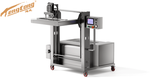

Vacuum Packing Machine
What is Vacuum Packing Machine
Vacuum sealing is a process of sealing a container through a vacuum chamber. Vacuum sealing machines remove the air from the containers before sealing them to keep the product fresh for long-term storage. The machine creates a vacuum inside the cans to prevent any compound from entering the containers to avoid food spoilage. Vacuum packaging is an easy and efficient way of packaging a variety of products. Vacuum packaging is often used in commercial and residential applications to preserve food.
Advantages of Vacuum Packing Machine
Increased Shelf Life - Studies have shown that vacuum packaging can increase product shelf life from 50%-400%. Vacuum Packaged SalmonThe key to increasing product shelf life is determining the ideal atmosphere within the packaging for the product being packaged. This could be the introduction of an inert gas or the reduction of oxygen to ideal levels. Vacuum packaging is also and preferred form of packaging for many products going into long term freezer storage. The proper vacuum bags can dramatically reduce freezer burn. It is a chosen form of packaging for meat storage around the world.
Reduced Product Loss - Increased shelf life directly affects the reduction in product loss for companies inventorying products. The reduced product loss helps to increase bottom lines.
Sealed Barrier From External Elements - The most common vacuum bag thickness is a 3 mil thickness with some Vacuum Packaged Dried Fruitbags up to a 6-8 mil thickness. With the proper seal, vacuum packaging can protect products from dust, moisture, insects, and a variety of other external elements that may harm or damage products. Vacuum packaging is also an excellent barrier of protection against freezer burn during long term freezer storage.
Seals in Flavors - Wet aging meats is a popular form of curing meat before preparing it. This often uses natural juices from the meat with spices and flavors vacuum sealed to lock in flavors during the curing process. Check out this video on wet aging steaks for more information.
No Chemical Preservatives Required - Vacuum packaging eliminates the need for chemical preservatives. With the right mixture of oxygen to inert gas, products can last longer without the use of commonly used preservatives. The earth's atmosphere is made up of 78% nitrogen which is the most commonly used inert gas for vacuum packaging.


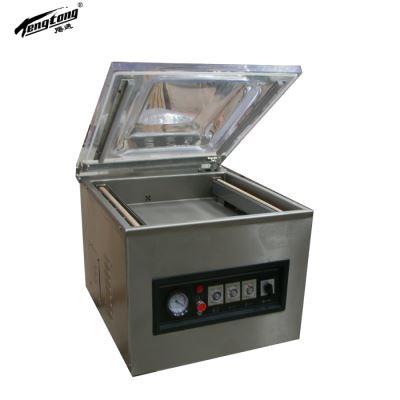

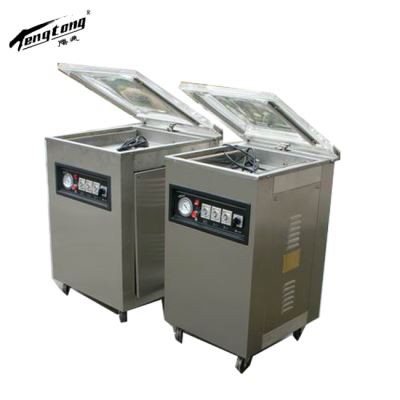


Adopting advanced world famous brand components in pneumatic parts, electric parts and operation parts.
Why Choose US
One-stop solution
With rich experience and one-to-one service,we can help you choose products and answer technical questions.
Customization services
They provide customization services to meet specific customer requirements, ensuring that clients receive products that exactly fit their needs.
Innovation
We are dedicated to improving our systems continually, ensuring that the technology we offer is always cutting edge.
24h online service
We try and respond to all concerns within 24 hours and our teams are always at your disposal in case of any emergencies.
Types of Vacuum Packing Machine
Countertop Vacuum Sealers: These are compact machines typically used in home kitchens or small businesses. They are suitable for preserving food, such as meats, vegetables, and leftovers. Countertop vacuum sealers are relatively affordable and easy to operate.
Chamber Vacuum Sealers: Chamber vacuum sealers are used in both commercial and industrial settings. They work by placing the entire bag of items inside a chamber, where the air is removed. These machines are more versatile and can handle a wide range of products, including liquids. They are often used in restaurants, food processing, and packaging industries.
External Vacuum Sealers: External vacuum sealers are similar to countertop models but offer a bit more versatility. They can handle larger bags and thicker materials, making them suitable for light commercial use. These are often used in small food businesses or home food preservation.
Handheld Vacuum Sealers: Handheld vacuum sealers are small, portable devices that can be used to vacuum seal special bags or containers. They are handy for preserving food while camping, traveling, or in situations where a larger machine is not practical.
Industrial Vacuum Sealers: These machines are designed for high-volume and heavy-duty vacuum sealing operations. They are commonly used in large-scale food production and packaging facilities. Industrial vacuum sealers are equipped with features for continuous operation and automation.
Double Chamber Vacuum Sealers: These machines have two chambers, which allow for faster processing of large quantities of products. They are often used in busy commercial kitchens and food packaging facilities.
Vacuum Sealers with Gas Flush: Some vacuum sealers are equipped with gas flushing capabilities. This feature injects a specific gas (e.g., nitrogen) into the vacuum-sealed package before sealing. Gas flushing is used to prolong the shelf life of certain food products.
Thermoforming Vacuum Sealers: Thermoforming vacuum sealers are commonly used in industrial food packaging. They create custom-sized bags from rolls of film and are suitable for high-volume production.
Retractable Nozzle Vacuum Sealers: These vacuum sealers are designed for removing air from vacuum bags or containers with a retractable nozzle that suctions out the air. They are used for both consumer and commercial applications.
Components of a Vacuum Sealing Machine
Seaming Head
While the vacuum sealer is sealing the can, the seaming head holds the lid and serves as support from the pressure exerted by the seaming rollers. They have customizable dimensions depending on the diameter of your cans.
Seaming Rollers
The seaming rollers (1st and 2nd operation rolls) connect the can's lid to its body to create a hermetic seal.
Base Plate
This will spin with the can during the double seaming process. It supports the filled can's body during the process.
Vacuum Pump
A vacuum pump removes gas molecules inside of the sealed vacuum chamber to create a vacuum.
Vacuum Chamber
This is where the vacuum can sealer performs the can sealing process.
Control Panel
Every sealing machine comes with a control panel where you can set the parameters of the sealing process.

How Does a Vacuum Sealing Machine Work
Insert products into a bag that will fit in the chamber.
Hang the open end of the bag over the sealing edge.
Close the lid and press the start.
The lid will pull down, and air will exit the bag.
Once the seal is complete, a cool-down is required.
The vacuum is released from the chamber, and the lid can be opened.
Vacuum sealers are great for commercial uses; more than one bag can be sealed and vacuumed in one cycle. Most chamber sealers have digital timers and settings for the amount of air removal and seal times. vacuum sealers can use an internal vacuum pump or external venturi pump, depending on the model and manufacturer.
The sealing area below will limit the number of packages placed in the sealer.
The digital controls or analog controls can be linked to the vacuum or venturi pump, and it engages creating a vacuum within the sealer.
Once the desired vacuum is reached, the seal is made the vacuum is released from the chamber. Then the lid can be opened for the bag removal.
Vacuum sealers can seal multiple bags at once as long as the bags can fit inside the chamber and in the sealing area. They are perfect for fast-sealing liquids, grains, and other products. Some models can be used with an external compressor and pneumatic-operated lids for automatic vacuum packaging.
Like the other sealers, the sealing area can get worn, the tape will need to be replaced, and the sealing wire will need to be over time. Entry-level chamber sealers can have an internal pump that may take excessive time to reach a complete vacuum. Over time, the buttons and digital readouts can wear and need to be replaced.
How to Vacuum Seal
Vacuum sealing preserves and stores food items ranging from produce to full entrees. The vacuum sealing process is simple and efficient regardless of which vacuum sealer you own. Use the following instructions below to learn how to vacuum seal.
Select a suitable vacuum sealer bag for your machine.
Place the food in the bag, leaving at least 2" of space between the item and the top of the pouch for a chamber vacuum sealer and at least 3" for an external machine.
Align the open end of the bag with the seal bar on your vacuum sealer. Ensure the pouch lies flat across the seal bar and contains no wrinkles.
Close the lid of your vacuum sealer tightly. For manual machines, press the "Start" button to begin the sealing process. For automatic machines, press down firmly on the lid until the vacuum cycle begins.
Once all the air is removed, the seal bar fuses the bag to create an airtight seal. Wait until the machine indicates the process is finished before removing and storing your vacuum-sealed food.

How to Vacuum Seal Liquids
The best way to vacuum seal liquids, sauces, soups, marinades, and wet food is to use a chamber vacuum sealing machine. Chamber machines can package almost any item, including liquids and wet foods, without any extra attachments. Simply follow the same steps as you would vacuum seal solid foods!
External machines are not ideal for sealing liquid-rich foods like marinated meats, soups, and stews since the liquids tend to get drawn out of the bag with the air. Some units have a marinate button on the control panel, but this method usually requires using a canister and extends the cycle time. One way around this is to freeze the liquid before packaging it. Pour the liquid into the vacuum bag and place it upright in your freezer. Once the liquid is fully frozen, you can use your external vacuum sealer to seal the bag, following the same steps as you would vacuum seal solid foods.
Vacuum Sealer Accessories
Vacuum Sealer Bags and Rolls
You will need to choose the right bag style based on what type of machine you have. Chamber vacuum sealer bags have a smooth texture, while external vacuum sealer bags have a mesh design that provides the extra grip the machine needs for a proper seal. Choose a bag with an open end shorter than your machine's seal bar that fits inside the chamber for chamber sealers. You can also find custom-sized vacuum sealer bag rolls that allow you to cut bags to your desired length.
Bone Guards
Foods with sharp or hard surfaces, like bone-in meats, can puncture the bag as the machine expels the air. A bone guard provides extra padding on the problem area to soften contact with the bag as it seals and prevents the bag from ripping against the edges during the vacuum cycle.
Vacuum Sealer Filler Plates
When you want to pack small bags that don't use the whole chamber, use a filler plate to take up space and reduce the vacuum time. Using a filler plate reduces the overall time needed to seal a bag since there is less air in the chamber. It also helps the pump's longevity by reducing the necessary effort to vacuum the space. Filler plates are easy to use and only need to be placed into a chamber vacuum sealer before beginning the sealing process.

The basic working part of the vacuum packaging machine is a sealed chamber from which all air is discharged. A pump uses rotating blades to remove air and heating strips to seal the vacuum bag inside the machine. There are different types of vacuum packaging machines, but the basic premise is the same. According to the power and size of the pump in the machine, the average time to complete the sealing cycle is about 20-45 seconds. The more air that needs to be expelled, the longer this process will take. By ensuring that as many vacuum bags as possible are placed on the hot-rolled strip without affecting the sealing process, the efficiency of the vacuum packaging process can be improved.
A vacuum packaging machine can be used for the packaging of numerous foods including:
Vegetables
Vegetables are the essential source of energy and its use is almost obligatory in our daily life. Thus, to preserve their freshness, vitamins and minerals for a longer period a vacuum packaging machine is best suitable.
Meat
All types of meat whether fresh meat, aged meat or sausages can be packed by this machine. By emitting harmful external particles from bag it assures the safe and healthy life of meat.
Dry Food
Dried food like dates, cereals, peanuts, raisins etc are usually kept for a long time due to which it requires proper packing and sealing to avoid moisture. For the accomplishment of such task a vacuum packaging machine is highly appreciated.
Sea Food
Most of sea food the consumer look for is packed in a film bag by vacuum packaging machine due to the machine's firm sealing and the reason that product can be stored for much time.
Fruits
Like many other eatables, fruits too can be beautifully wrapped by this innovative machine. Its antioxidant substance removes the fear of waste of product and preserve its original quality.
What Type of Material Does a Vacuum Packaging Machine Use for Packing Products
A vacuum packaging machine uses plastic film to pack variety of materials including both food and non-food. However, certain other tools are also used for packaging. These are
Pouches
Pouches are made of plastic film and most commonly used for vacuum packaging purpose. Every hard to soft product can be easily sealed in these pouches. They are of two types; smooth pouches and perforated pouches. Perforated pouches are expensive but work as micro channel and assist the pump to out the air. They can be used in external chamber machines. While as, smooth pouches are inexpensive and used for in chamber machines.
Canisters
Canisters are type of containers which may be in form of plastic, glass or steel. They are ideal for easily crushed items. Variety of brittle and liquid products like soup and skews etc can be vacuum sealed in these canisters. Their reusable characteristics make them more economical.
Trays
They are also made up of plastic and usually used to pack the prepared food so it can be easily microwaved before serving. Trays are used in every type of machine because they are covered in plastic film but mostly thermoforming vacuum packaging machine use tray.
Bone Guard
Food with sharp edges often punctures the plastic bags because of air suction by machine. In order to avoid this issue, material like bone in meat are simply covered with bone guard sheet and vacuum packed.