



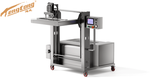

Vacuum Pump
What is Vacuum Pump
Vacuum pumps are mechanical devices that enable the removal of air and gas molecules from a sealed area to create an area devoid of air and/or gas. Generally, their purpose is to clean and seal. Vacuum pumps come in wet or dry variants depending on the media being pumped through them. Vacuum Pumps can be used in a wide variety of industries and applications to remove air and gas molecules from a process including the food and beverage industry, semiconductor and electronics industry, pulp and paper, medical, plastics and woodworking to name but a few. Common examples of vacuum pump applications include vacuum packaging machines, pick and place machines, drying of components, bottle filling and holding and lifting.
Advantages of Vacuum Pump
Enhanced Efficiency and Productivity
Using vacuum pumps can increase the efficiency and productivity of a wide range of industries, as they provide greater control over processes. Vacuum pumps can create a negative pressure environment to perform certain tasks, such as accurately flling containers with liquids or gases. By controlling the pressure in this way, it's possible to achieve faster and more precise results that are consistent each time. This, in turn, increases productivity and accuracy since tasks don't need to be repeated multiple times.
Improved Product Quality
Using vacuum pumps can dramatially improve product quality by precisely controlling processes. Vacuum pumps can create a vacuum atmosphere in an enclosed area, eliminating contamination and oxidation from the environment. This ensures that products remain pure and uncontaminated during production.
Environmental Benefits
Adopting vacuum pumps leads to improved product quality and provides various environmental benefits. Vacuum pumps eliminate the need for hazardous chemicals in many products, reducing pollution and contamination. The reduced use of these chemicals reduces health risks and improves the health and safety of employees working with them.
Cost Savings and Economic Advantages
In addition to environmental benefits, vacuum pumps provide cost savings and economic advantages. Vacuum pumps are more energy efficient than other methods of creating a vacuum, which means that businesses can save money on their energy bills.
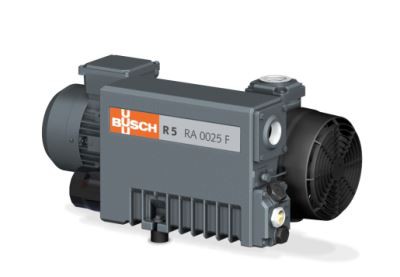
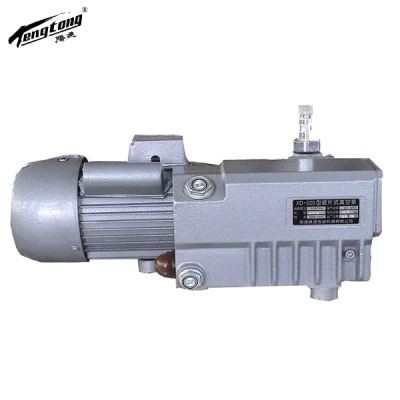


Environmental-friendly; Equipped with oil mist eliminator can remove 99.99% of the exhaust gas oil.
Why Choose US
One-stop solution
With rich experience and one-to-one service,we can help you choose products and answer technical questions.
Customization services
They provide customization services to meet specific customer requirements, ensuring that clients receive products that exactly fit their needs.
Innovation
We are dedicated to improving our systems continually, ensuring that the technology we offer is always cutting edge.
24h online service
We try and respond to all concerns within 24 hours and our teams are always at your disposal in case of any emergencies.
Types of Vacuum Pump
These models combine an expanding cavity at the intake point with a decreasing cavity at the discharge point. This allows for a steady, moderate flow of suction power. As a result, they are best suited to pumping operations which require a steady speed.
These rely on a pair of mechanical diaphragms, which move backwards and forwards to increase and decrease pressure. Liquid backflow is prevented by a valve. Diaphragm pumps are noted for their high level of accuracy and are widely used in industrial environments.
Entrapment pumps, also known as capture pumps or trapping pumps, are refrigerated devices that induce condensation of air molecules by cooling within a confined space. The resulting liquid is then removed. Some entrapment pumps - called ion pumps - use electrical fields to induce condensation. These are ideal for storing gas for later release.
Also known as kinetic pumps, momentum transfer pumps feature a rotating component which propels air or gas from its inlet to its outlet. This creates a low-pressure region which is sealed by a powerful valve when it becomes a vacuum. Some models also use high-speed jets of fluid.
Vacuum Pump Applications
These devices have multiple uses across industry and engineering, including:
Semiconductor processing
Composite moulding
Uranium enrichment (for nuclear power generation)
Oil refining
Medical vacuum pump
Industrial vacuum pumps also play an important role in the function of some manufactured equipment, for example:
Electric lamps
Radiotherapy devices
Electron microscopes, spectrometers (for chemical analysis) and similar analytical equipment
Air conditioning systems
Dairy equipment
Gyroscopes for flight instrumentation
Automotive engines (to boost braking and increase fuel efficiency)


These components are powerful and potentially dangerous. Potential risks include:
Contaminated pump oil spillage due to incorrect handling
Injury from accidental exposure to moving parts
Electrical shocks due to faulty wiring
Fire due to overheating or other malfunctions
Toxic fumes due to inadequate ventilation
Safety should always be your number one priority. Key health and safety considerations include:
Familiarise yourself prior to operation
Monitor oil levels and be prepared to change the oil when necessary
Safely dispose of any oil in the proper manner
Never block or obstruct exhausts or pump outlets
Wear appropriate PPE
Do not operate pumps in areas of limited or no ventilation
Use a ventilation cabinet whenever possible
Ensure belt guards are in place
Use a spill tray to catch any leakage if faults occur
Ensure tubing is fully compatible with the pump and fit for use - replace it if necessary
Check the surrounding area for any combustible materials
Check switches and cabling for potential faults
You should also bear in mind some practical considerations:
Pump size
Intended application
Pump type
Performance requirements
As molecules are removed from the vacuum space, it becomes exponentially harder to remove additional ones, thus increasing the vacuum power required. The pressure ranges are placed into several groups:
Rough/Low Vacuum: 1000 to 1 mbar / 760 to 0.75 Torr
Fine/ Medium Vacuum: 1 to 10-3 mbar / 0.75 to 7.5-3 Torr
High Vacuum: 10-3 to 10-7 mbar / 7.5-3 to 7.5-7 Torr
Ultra-High Vacuum: 10-7 to 10-11 mbar / 7.5-7 to 7.5-11 Torr
Extreme High Vacuum: < 10-11 mbar / < 7.5-11 Torr
|
|
|
|
|
|
|
|
|
|
|
|
|
|
|
|
|
|
|
|
|
|
|
|
Vacuum pumps are classified by the pressure range they can achieve to help distinguish their capabilities. These classifications are:
Primary (Backing) Pumps which handle rough and low vacuum pressure ranges.
Booster Pumps handle low and medium pressure ranges.
Secondary (High Vacuum) Pumps handle high, very high and ultra-high vacuum pressure ranges.
Depending on the pressure requirements and operating application, vacuum pump technologies are considered either wet or dry. Wet pumps use oil or water for lubrication and sealing, while dry pumps have no fluid in the space between the rotating mechanisms or static parts that are used to isolate and compressing gas molecules. Without lubrication, dry pumps have very tight tolerances to operate effectively without wear. Let us look at some of the methods used in a vacuum pump.
The Working of a Vacuum Pump
It eliminates the air from the closed system through suction to gradually reduce the density of air in the restricted space so that vacuum can be created. It removes the air in a closed system because of the mechanical effort energy of a revolving shaft is changed to pneumatic power.
The inside force level within a preserved volume becomes lesser than that of the exterior environment. The quantity of energy generated mainly depends on the gas volume otherwise air eliminated and the generated pressure dissimilarity among inside and outside atmosphere.
Other Uses of Real Vacuum Pump
Preserving Applications: A vacuum pump can assist with cooking, packaging and freeze-drying foods to prevent spoilage, enhance flavor and improve safety.
Forming & Shaping Applications: Vacuum pumps are useful in vacuum forming, a simplified version of thermoforming often used by original equipment manufacturers when producing identical components. Auto parts manufacturing is a typical example.
Holding, Lifting, & Moving Applications: These pumps can assist with gently moving parts from one location to another. The applied suction can also hold a part or object firmly and lift it if necessary.
Creating Clean, Controlled Environments: Some types of vacuum pumps are commonly used in cleanrooms for industries like pharmaceuticals, food and ultrapure water processing.
Degassing & Deaerating Applications: Mining, metals and building materials are examples of industries and applications that use vacuum degassing to strengthen their products. Removing excess gas helps prevent structural failures and ensures reliable, uniform products.
Distillation Applications: Vacuum pumps for distillation help lower the boiling point of liquids, increasing the process's efficiency. The pumps create lower pressure that facilitates the condensation and evaporation of vital components.
Importance of Vacuum Pump Maintenance
For utmost reliability, routine maintenance should be conducted on your vacuum pumps, regardless of the type. Routine maintenance helps prevent vacuum pumps from breaking down, which would result in costly emergency repairs and process disruption. Taking care of these components will help increase their longevity and can ultimately save you money in the long run. While some maintenance can be done in-house, you may want to consider hiring a specialist to ensure proper maintenance.
Vapors and moisture can contaminate the oil, reducing its lubricity and overall effectiveness. Oil also naturally deteriorates over time. While routine oil changes may be time-consuming and interrupt your processes, it's one of the most important areas of maintaining your vacuum pump.
Monitor the oil yourself. Your pump's oil should be lightly colored and mostly clear. When the color starts getting dark, it's time to replace your oil. You should also change the oil if it appears cloudy or milky. This can indicate a leak in your system, so it's important to drain the oil and check the system for leaks.
Another part of routine maintenance includes dismantling your pump and inspecting the individual parts. This measure should be done every 3,000 hours of operation or more often, depending on the level of use. Inspect the belts to ensure they're free of oil, as this could indicate a leak. Replace belts that show signs of cracking or rubbing against other parts.
Vanes, bearings, belts and casings should all be inspected for cracks and general wear and tear and should be replaced as needed in sets. Check for deposit buildup and contamination. When you're finished inspecting, take time to clean the parts. This reduces the chance of contamination and keeps the parts of your vacuum pump in an overall good condition to ensure your pump continues to operate efficiently. Of course, you could also hire professional services to complete all those steps efficiently.
Your vacuum pump maintenance steps may reveal worn or damaged parts that are not directly impacting the equipment's performance. However, not upgrading these components immediately could eventually affect the functioning of other systems and cause an unexpected mechanical failure. Completing this step promptly can also be more cost-effective, as it could prevent a costly repair job or an earlier-than-anticipated machine replacement.
Conducting a test run on your pump is an effective way to ensure everything is operating properly and safely. It's also important to compare pump performance before and after maintenance, as significant differences between the two could indicate improper reassembly, part failure or other issues. Run the vacuum pump and listen for any abnormal noises that may indicate damage or leaks. Ensure the pump is operating at a safe temperature to reduce the chances of overheating. This aspect of maintenance is essential, especially if your pump has been sitting for a few months. Turn it on to ensure it will operate correctly after its break.
There are many aspects to remember when conducting maintenance checks. Remember to consult your pump's manual for specifics. Consider these additional maintenance steps as applicable to your vacuum pump:
Check exhaust and oil filters and replace as needed.
Inspect water flow.
Test fault or error alarms.
Clean the intake dust filter.
Inspect water hoses for cracks or other signs of damage.
Check for oil, water and other leaks.
Take readings of internal temperatures.
Clean the fan cover.
Inspect the surrounding area.
Contaminants are harmful to the safety and operation of your vacuum pumps, which is why it's essential to commit to performing routine maintenance on your pumps. Keep detailed records of maintenance and inspection checks so the next person to look at your equipment can be updated on previous work done on the pump. It's critical to keep up with vacuum pump maintenance to keep operations running smoothly and make sure your pump works to the expected standards.
Factors To Consider When Selecting A Vacuum Pump
Required Vacuum Level
Achieving the required vacuum level is essential for successful operations in any industry. The quality of the selected vacuum pump will determine whether it can achieve the desired level of vacuum. It's important to consider several factors, such as pressure range, gas load characteristics, and performance curves.
Pumping Speed and Capacity
The selection of a vacuum pump must consider not only the required vacuum level but also its pumping speed and capacity. The ability to achieve a certain pressure is directly related to the pumping speed of the vacuum pump, which is determined by how fast air or other gases are removed from an enclosure.
In addition, the size of the pump needed for a particular application should be based on its pumping capacity. This refers to how much gas can be removed from an enclosed space per unit of time before it reaches atmospheric pressure levels. For applications that require high flow rates, such as degassing liquids or drying materials, larger pumps with higher capacity are usually chosen. Smaller pumps may be used where lower flows are sufficient for achieving desired results.
Compatibility with Process Media
Compatibility with process media is critical when selecting the right vacuum pump for an application. Many vacuum pumps are designed for different types of process media, meaning that users must select a pump suitable for their specific application. For example, oil-lubricated and dry-running pumps are ideal for pumping clean process media such as air or nitrogen.
Energy Efficiency
The efficient operation of vacuum pumps is key to minimising energy costs and environmental impact. Vacuum pumps are designed to provide a certain level of mechanical energy input, but the amount of energy required will depend on the pump's design and working environment.
When properly sized for optimum efficiency, vacuum pumps can reduce energy consumption by up to 50% compared to conventional designs. This makes them an ideal choice for any industrial application ! that requires precise control over pressure or vacuum levels.
Maintenance and Operational Costs
Proper maintenance and operational costs of vacuum pumps are essential for minimising energy consumption, reducing running costs, and ensuring longevity. Vacuum pumps come with various features to reduce the cost of operation and help maintain their performance level over longer periods.